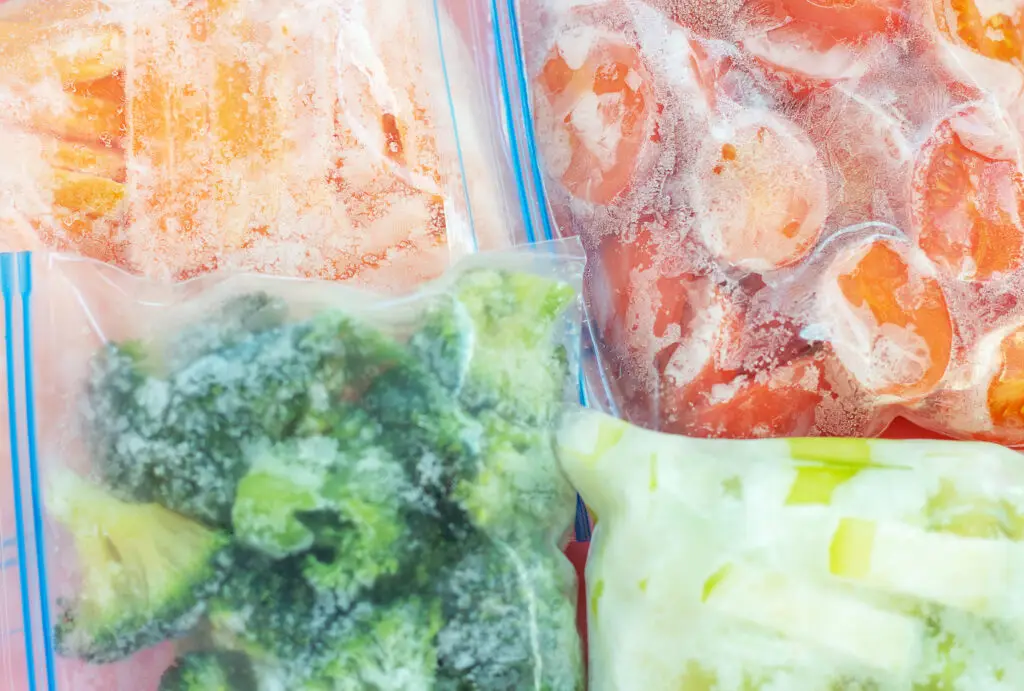
To make food last longer, freeze it before it spoils. Package it in amounts you expect to use, write the date on each package, and plan a meal for it. Freezing gives you more time, but it cannot restore food that has already gone bad.
Steak, ground beef, chicken, fish, berries, spinach, bell peppers, mushrooms, and fresh herbs are worth freezing when you cannot use them while they are fresh. These are the groceries that can leave you facing a costly decision: cook them today or risk throwing them away.
1. Steak
If plans change after you buy steak, freeze it within the recommended refrigerator storage period rather than waiting until it is close to spoiling. FoodSafety.gov lists three to five days in the refrigerator for fresh steaks.
You can freeze steak in its store packaging. For longer storage, wrap that package again with freezer paper, foil, or freezer-grade plastic to help protect its quality. Label the cut and date so you can choose it for a future meal.
2. Ground beef
Ground beef has a shorter refrigerator window than steak. FoodSafety.gov recommends using or freezing it within one to two days, making it a strong candidate for prompt freezing.
Divide a larger package into amounts you use for tacos, pasta sauce, or burgers. Seal and label each portion. You can then thaw the amount needed for one meal in the refrigerator instead of thawing the full package.
3. Chicken pieces
Chicken breasts and thighs can be useful to buy in a larger package, but fresh chicken pieces also have a one-to-two-day refrigerator window. Freeze the portions you will not cook within that time.
Separate pieces into meal-sized packages and wrap them well. Keep raw chicken and its juices away from other foods while preparing the packages. Label each one so a planned dinner can begin with the portion you already own.
4. Fresh fish fillets
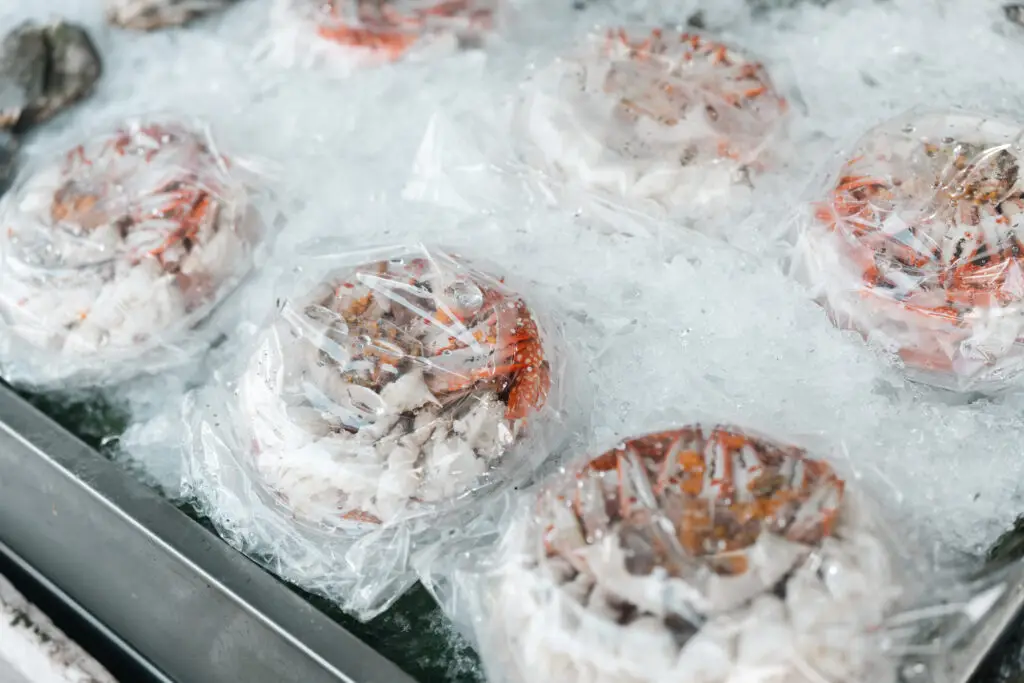
Fresh fish may need attention soon after purchase. If you bought more than you will cook promptly, freezing the extra fillets helps you make your food last longer and keep that purchase for another meal.
Wrap individual portions closely and place them in freezer packaging. Mark the fish and date, since different types of fish have different quality times in the freezer. Check the FoodSafety.gov storage chart for the fish you bought, and thaw it safely in the refrigerator.
5. Berries
A container of berries can be difficult to finish while the fruit is at its best. Sort through it before freezing and remove any berries that are bruised or spoiled.
Spread sound berries in one layer on a tray. Once frozen, move them promptly into a sealed freezer container. This keeps them easier to pour out in small amounts for oatmeal, smoothies, or baking. The National Center for Home Food Preservation describes this tray method.
6. Spinach
Fresh spinach can take up a lot of refrigerator space, especially when a recipe calls for only part of a bag. Freeze the remainder for a future cooked dish rather than expecting it to return to salad texture.
Wash the leaves, blanch them in boiling water for two minutes, cool them promptly, and drain them before packaging. University of Georgia’s preservation guidance for greens explains why blanching matters and recommends frozen spinach for cooked use.
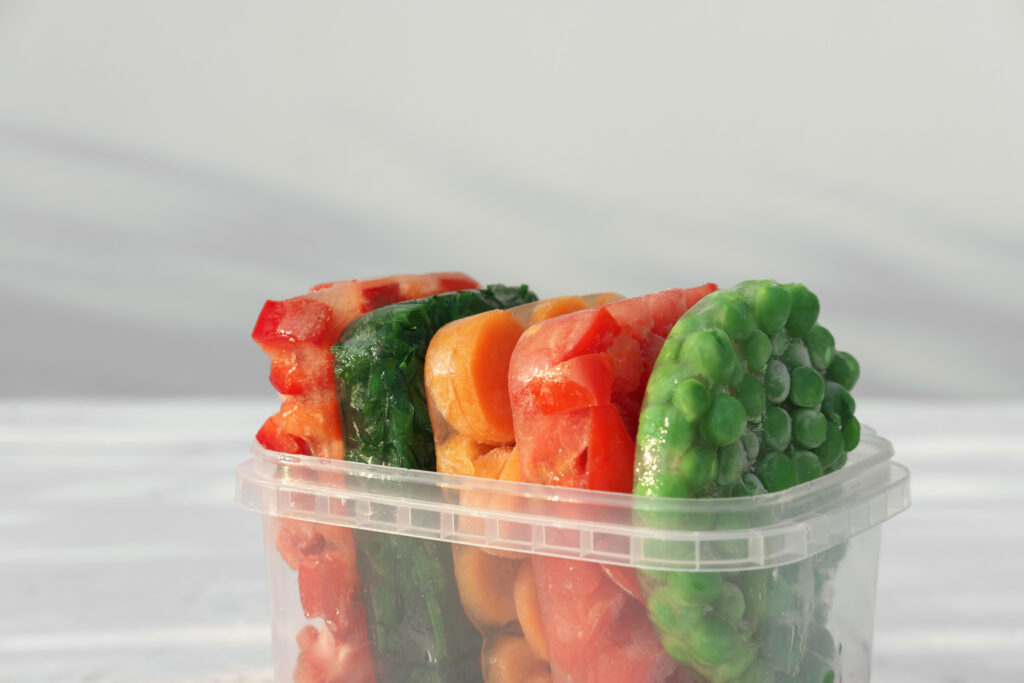
7. Bell peppers
If you need only half a bell pepper, prepare the rest for another meal. Wash it, remove the stem and seeds, and cut it into pieces that fit the recipes you usually make.
National Center for Home Food Preservation guidance gives options for freezing peppers raw or blanched. Label the pieces and use them later in a cooked dish, such as soup or a skillet meal, where a softer texture will work well.
8. Mushrooms
Mushrooms are another ingredient that may be left after a recipe uses only part of a package. Choose mushrooms that are free from spots and decay, then clean and trim them.
For freezing, University of Georgia recommends steaming or heating mushrooms in a pan first. Cool them, package them in useful portions, and label them. Plan to add them to a sauce, soup, or other cooked dish later.
9. Fresh herbs
Fresh herbs can be costly for the small amount a recipe requires. Save the remaining sprigs while they are still in good condition.
Wash, drain, and pat them dry. Wrap a few sprigs or leaves, place them in a freezer bag, and seal it. Frozen herbs usually become limp when thawed, so use them in cooked dishes rather than as a fresh garnish. Follow the National Center for Home Food Preservation’s herb instructions.
Make a plan for what you freeze
A freezer helps make food last longer when you remember what is in it. Keep a short list on the door or with your meal plans. Check that list before shopping, and choose an older package when deciding what to cook.
Start with the food you are most likely to lose this week. Freezing one package of ground beef or the rest of your spinach is a concrete way to reduce food waste and get more use from groceries you have already bought.
To help care for food in your community, explore volunteering with Midwest Food Bank or find Midwest Food Bank opportunities on Golden.