See how one nonprofit partnership helps St. Luke’s Food Pantry offer groceries, prayer, dignity, and steady support to local families.
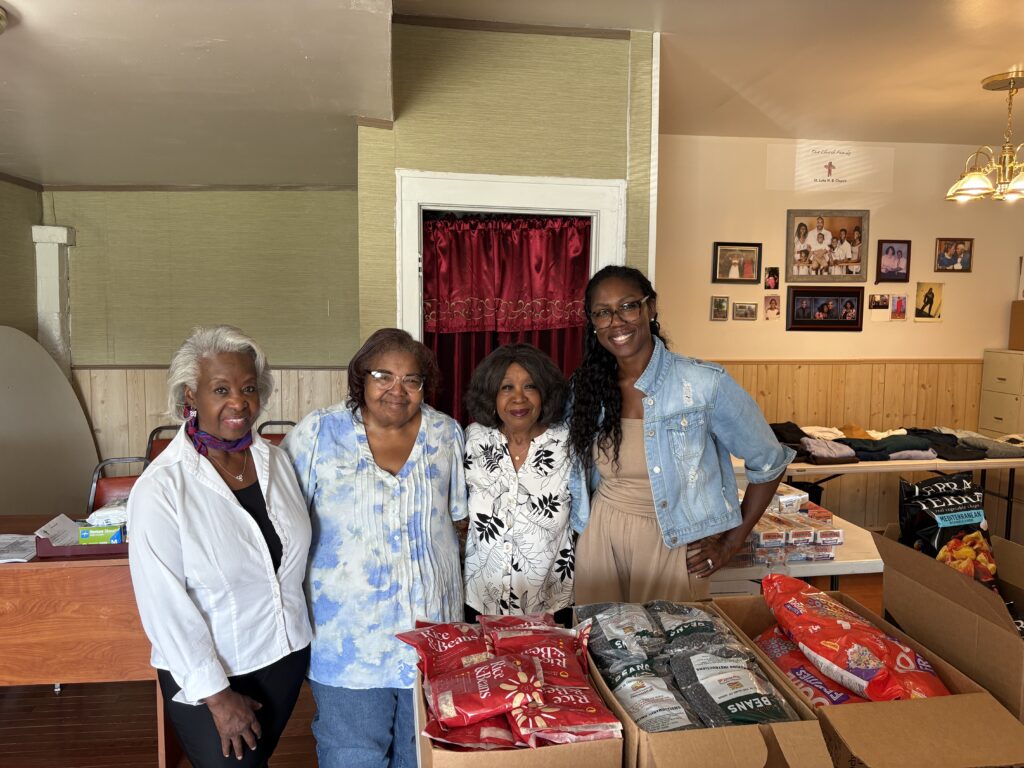
Nonprofit partnerships can help community organizations do what they know best: serve their neighbors with care, consistency, and dignity. At St. Luke’s Missionary Baptist, that work happens through a food pantry where groceries are only one part of the support people receive. Sparkle Nicks, an agency partner from St. Luke’s, recently spoke with Midwest Food Bank’s Ben Schick about the pantry, the people who come through its doors, and the partnership that helps keep its shelves stocked.
For Nicks, the motivation starts with the families St. Luke’s serves.
“I became involved with the St. Luke Food Pantry because I saw firsthand how many families in our community were struggling with food insecurity. St. Luke has always been a place of compassion, and the pantry felt like a natural extension of our mission to serve with love and dignity.
What keeps me motivated is simple: the people. Every week, I see families who walk in burdened and walk out with relief on their faces. Knowing that a bag of groceries can ease a parent’s worry or help a child sleep without hunger, that’s what fuels my commitment.”
Nonprofit Partnerships Help Local Organizations Serve Consistently
St. Luke’s is part of the network of nonprofit organizations supported by Midwest Food Bank. Food pantries, churches, shelters, and other eligible organizations can receive food from Midwest Food Bank to distribute directly to people in their communities. Midwest Food Bank provides food to approved nonprofit partners at no charge.
That model allows organizations such as St. Luke’s to pair food resources with their own understanding of the people and neighborhoods they serve.
“Midwest Food Bank has been an incredible partner. Their support allows us to offer consistent, high-quality food to families who depend on us. Through their donations, we’re able to expand our reach, serve more households, and provide healthier options.
Their partnership strengthens our mission by ensuring that our shelves stay stocked and our community receives reliable support. It has transformed our pantry from a small outreach effort into a sustainable community resource.”
Organizations interested in learning about this model can explore Midwest Food Bank’s nonprofit partnership program, including eligibility and the agency application process.
A Food Pantry Where People Can Ask for More Than Food
The value of nonprofit partnerships becomes especially clear when community organizations have room to respond to the person, not simply the immediate need.
Nicks said some people arrive at St. Luke’s after losing food assistance or experiencing reductions in benefits. They may be worried about feeding their children while keeping up with other household expenses.
“One of the most powerful moments we experience at the St. Luke Food Pantry is when people walk through our doors not only needing food but needing prayer. Many come in saying they’ve lost their food stamps, or that their benefits were reduced so drastically they can’t buy enough food for themselves or their families. You can see the worry on their faces—the fear of not knowing how they will feed their children, the stress of choosing between groceries and bills.
In those moments, our pantry becomes more than a place to pick up food. It becomes a place of comfort, hope, and spiritual refuge.”
That need is not limited to one community. Feeding America’s 2026 Map the Meal Gap study reports that food insecurity is present in every U.S. community. Its latest estimates also found that many people experiencing food insecurity had incomes above eligibility thresholds for federal nutrition assistance.
Readers can explore the Feeding America Map the Meal Gap research for broader information about food insecurity across the United States.
Meeting Growing Needs Through Partnership
St. Luke’s faces practical challenges as it serves its community. Nicks identified growing demand, limited storage, rising food costs, and the emotional strain families experience when they do not have enough food.
The pantry responds through nonprofit partnerships, volunteers, donations, and community support.
“We overcome these challenges through partnerships, volunteer support, and community generosity. We collaborate with organizations like Midwest Food Bank, seek donations from local stores, and rely on volunteers who give their time and hearts to keep our operations running smoothly.”
That cooperation is central to Midwest Food Bank’s distribution model. Its nonprofit partners work directly in their communities, while food, volunteers, donors, and other resources help support their work.
Dignity and Relationships Guide the Work
For St. Luke’s, the pantry’s approach is grounded in how people are welcomed.
“Our approach is rooted in dignity, compassion, and relationship. We don’t just hand out food—we build connections. We greet every person with warmth, respect, and understanding. We recognize that hunger is often connected to deeper struggles, so we strive to create a welcoming environment where people feel seen and valued.”
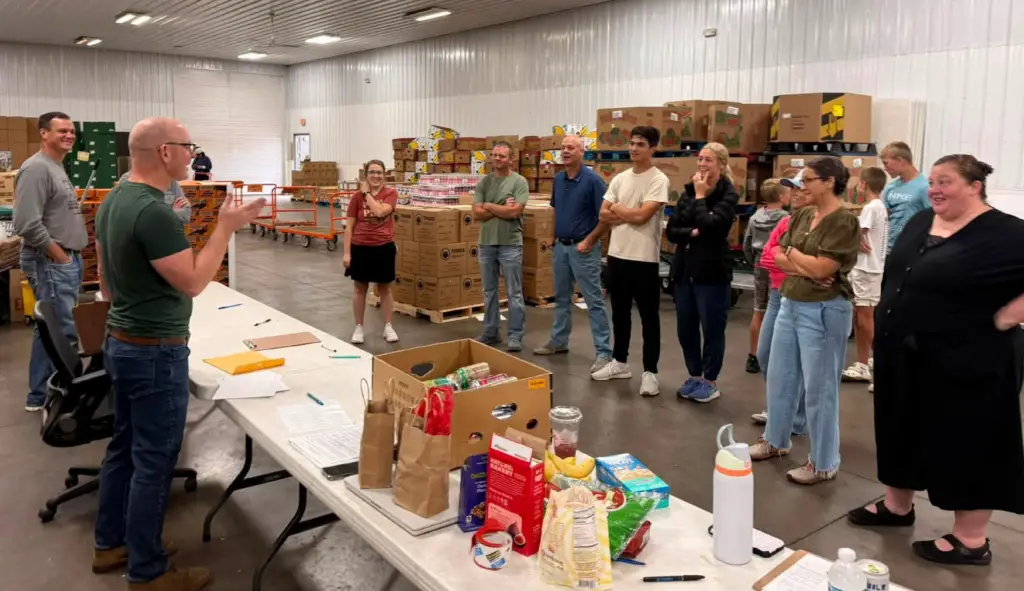
Those relationships also extend to the volunteers serving alongside the pantry.
“I love the sense of unity that fills the room when volunteers and clients come together. Our volunteers bring joy, compassion, and a willingness to serve. Our clients bring resilience, gratitude, and stories that remind us why this work matters.
The best part is witnessing how strangers become neighbors—how a simple act of giving creates a ripple of kindness throughout our community. That spirit of togetherness is what makes our pantry a blessing to everyone involved.”
How You Can Strengthen Nonprofit Partnerships
Stories like St. Luke’s show how nonprofit partnerships connect resources with organizations already serving people face to face.
There are several ways to take part. Nonprofit organizations can learn about becoming a Midwest Food Bank partner. Individuals, families, churches, schools, and businesses can explore Midwest Food Bank volunteer opportunities.
Volunteers can also search current service opportunities through Golden Volunteer Opportunities.
Each role is different. Together, they help community organizations like St. Luke’s continue welcoming neighbors with food, respect, faith, and personal care.