A backpack can carry more than school supplies. See how Pennsylvania partners are helping students get food while pursuing their education.
A back-to-school distribution in Lykens shows how local partnerships can meet several student needs at once
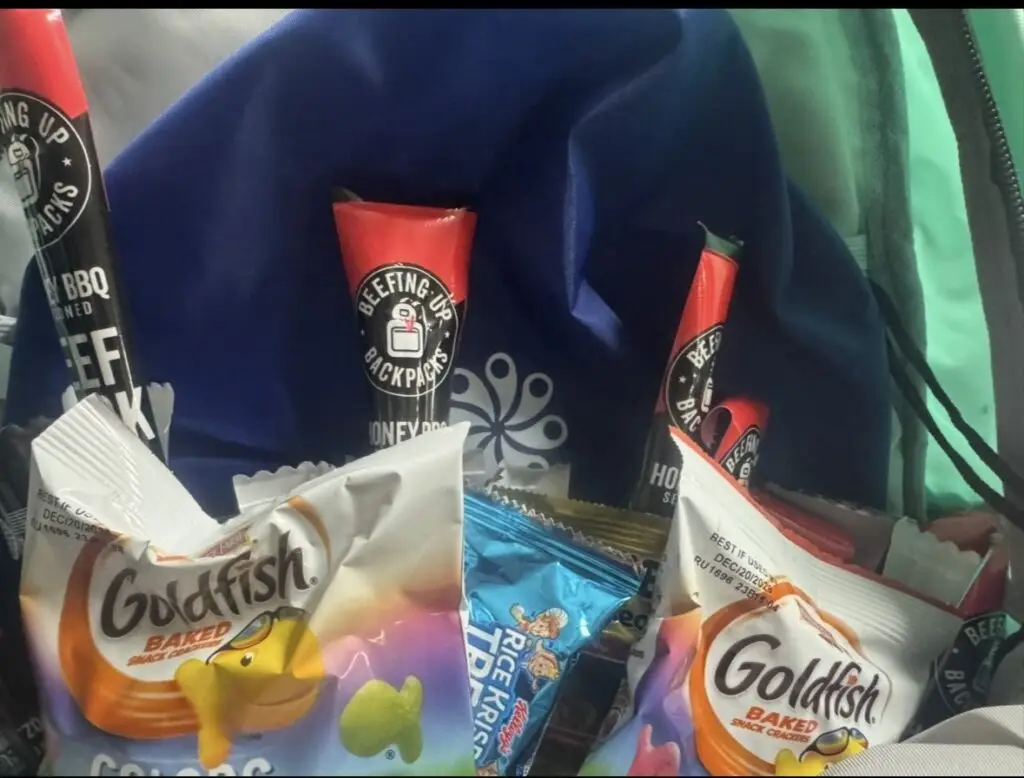
The SKIP Program Pennsylvania back-to-school distribution gave children in Lykens more than new school supplies. Backpacks also included beef sticks and snacks provided with help from Midwest Food Bank. The distribution brought donations from several partners together to provide clothing, school supplies, and food as children prepared to return to school. The SKIP Program shared a photo of the completed backpacks and this message with Midwest Food Bank:
“On Sunday Aug 23rd SKIP Program had a back to school distribution. The distribution was possible because of donations from several different partners. We distributed clothing and also distributed backpacks that contained a bag of school supplies, beef sticks, and snacks. The kids loved the backpacks. Thanks again for all you do for families in need.”
SKIP Program Director
Food alongside the school supplies
For the SKIP Program in Lykens, PA, the distribution was a way to bring several practical items together for local families. Each backpack contained a bag of school supplies along with beef sticks and snacks. Clothing was also distributed during the event.
Midwest Food Bank was one of the partners providing items used in the distribution. Other organizations contributed as well, allowing SKIP to assemble the resources for local children. It is a simple example of how Pennsylvania hunger relief can work through partnerships. Food does not always arrive as a traditional box of groceries. Sometimes it is included with other resources that a local organization knows its families need.
Student food needs do not end after high school
Another Midwest Food Bank partner in Pennsylvania recently shared a different story about students and food. King’s College in Wilkes-Barre told Midwest Food Bank that many of the students receiving its food packages are paying for school themselves and cannot afford meal plans.
College staff said they wished Midwest Food Bank could see the faces of the students when they arrived to receive the food. For these students, the food provided through Midwest Food Bank helps them eat while they continue their studies. The circumstances at King’s College are different from the SKIP Program Pennsylvania back-to-school distribution. Yet the two partner updates have something important in common. Both show students trying to learn while also needing access to food.
Local partners know where food is needed
Midwest Food Bank works through nonprofit partners that distribute food within their communities. That model allows organizations such as SKIP and King’s College to use available food in ways that respond to the people they serve. In Lykens, that meant beef sticks and snacks packed alongside school supplies. In Wilkes-Barre, it meant food packages for college students managing the cost of their education. The needs are different, and so is the way the food is distributed. What connects them is the work of local partners, donors, and volunteers who help move food to the people who need it.
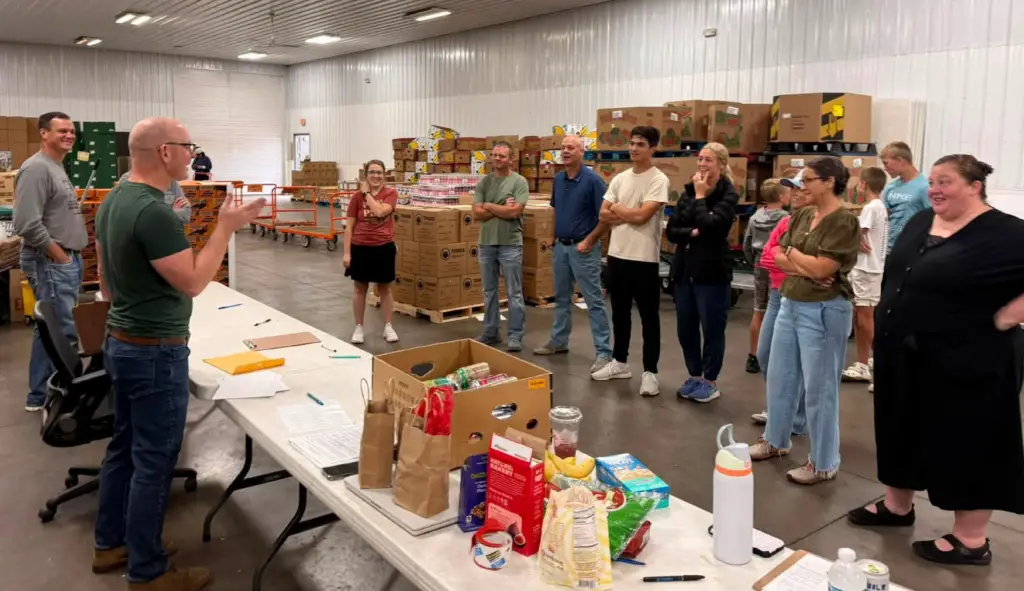
Learn more about Midwest Food Bank locations and hunger relief programs. Volunteers also play a role in preparing food for distribution through Midwest Food Bank. Explore Midwest Food Bank volunteer opportunities or find available opportunities through Golden Volunteer Opportunities. For the children carrying their new backpacks in Lykens and the college students picking up food in Wilkes-Barre, that work becomes something practical: food available when they need it.